
- Understanding SSL/TLS Encryption at Kenspin
- Step‑by‑Step: How Kenspin Secures Your Personal and Financial Data
- Required Documents, Verification Times, and Common Pitfalls
- Payment Methods, Limits, and Encryption Standards
- What to Do If You See a Security Warning or Certificate Error
- Conclusion: Why Kenspin’s SSL Protection Matters for Every Player
Understanding SSL/TLS Encryption at Kenspin
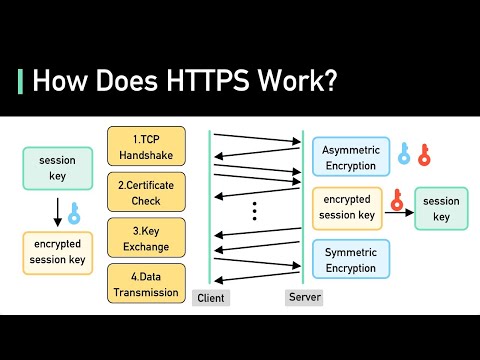
When you access Kenspin casino online, the first layer of security you encounter is SSL/TLS encryption. This protocol creates an encrypted tunnel between your browser and the Kenspin servers, ensuring that any data you send – from login credentials to payment details – cannot be intercepted by third parties. Kenspin uses TLS 1.2 and TLS 1.3 with 256‑bit AES encryption, the same standard employed by banks and government agencies. The connection is authenticated through a valid digital certificate issued by a trusted Certificate Authority, which you can verify by clicking the padlock icon in your browser’s address bar. This means that every interaction on Kenspin is protected from the moment you land on the site.
Step‑by‑Step: How Kenspin Secures Your Personal and Financial Data
Protecting your information at Kenspin involves multiple layers of security working together. Here is a practical breakdown of what happens behind the scenes:
- Registration: When you create an account, all personal details (name, address, email) are transmitted over the SSL‑encrypted connection. The data is then stored on Kenspin’s servers using database encryption.
- Login: Each time you log in, your password is hashed and sent over the same encrypted tunnel. Kenspin also enforces two‑factor authentication (2FA) as an optional extra layer.
- Deposits and Withdrawals: Payment information – whether you use credit cards, e‑wallets, or cryptocurrencies – is handled by PCI‑compliant payment gateways integrated with Kenspin’s SSL system. Card numbers are never stored in plain text.
- KYC Verification: When you submit identification documents (passport, driver’s license, utility bill) for verification, they are uploaded via a secure HTTPS connection and stored in encrypted folders with restricted access.
- Ongoing Sessions: Kenspin’s platform automatically renews session tokens at regular intervals and logs you out after a period of inactivity to prevent unauthorised access.
This entire process ensures that your data remains confidential from registration through every transaction.
Required Documents, Verification Times, and Common Pitfalls
To comply with anti‑money laundering regulations, Kenspin requires identity verification before you can withdraw funds. The typical timeline and required items are outlined below:
| Document Type | Purpose | Typical Processing Time |
|---|---|---|
| Government‑issued photo ID (passport or driver’s license) | Confirm your identity and age | 24–48 hours |
| Proof of address (utility bill or bank statement, dated within 3 months) | Verify your residential address | 24–48 hours |
| Proof of payment method (photo of card with first/middle digits and last 4 digits visible, or screenshot of e‑wallet account) | Confirm ownership of the deposit/withdrawal method | Up to 72 hours in complex cases |
Common problems include blurry photos, expired documents, or mismatched names. To avoid delays, ensure all documents are clearly lit, fully visible, and match the name on your Kenspin account. If you encounter issues, the support team can guide you through re‑uploading.
Payment Methods, Limits, and Encryption Standards
Kenspin supports a wide range of deposit and withdrawal methods, each processed under the same SSL‑protected environment. The following table summarises key details:
| Payment Method | Minimum Deposit/Withdrawal | Processing Time | Encryption Standard |
|---|---|---|---|
| Visa / Mastercard | €10 / €20 | Instant deposit; 1–3 business days for withdrawal | TLS 1.2 + PCI DSS Level 1 |
| Skrill / Neteller | €10 / €10 | Instant deposit; up to 24 hours for withdrawal | TLS 1.3 + tokenisation |
| Bitcoin / Ethereum / USDT | €20 equivalent / €50 equivalent | Instant deposit; 1–12 hours for withdrawal (network dependent) | Blockchain encryption + Kenspin’s SSL session |
| Bank Transfer | €50 / €100 | 1–5 business days | End‑to‑end TLS encrypted |
All transactions are logged and monitored for fraudulent activity. Remember that withdrawal limits may vary based on your VIP level – the standard monthly cap is €10,000, while higher tiers can request increases.
What to Do If You See a Security Warning or Certificate Error
Although Kenspin’s SSL certificate is always valid and up‑to‑date, occasionally users may encounter browser warnings due to outdated operating systems or incorrect system time. If you see a “Your connection is not private” message, follow these troubleshooting steps:
- Check that your device’s date and time are set correctly – an incorrect clock can trigger false certificate errors.
- Clear your browser cache and cookies, then restart the browser.
- Try accessing Kenspin from a different browser or a private/incognito window.
- If the error persists, run a malware scan on your device – some infections modify browser settings to block legitimate HTTPS sites.
If none of these resolve the issue, contact Kenspin support directly. They can confirm the current certificate fingerprint and help you verify the connection manually. It is also worth noting that even if you are claiming a Kenspin bonus or using a Kenspin promo code, the same encryption protocols apply, so your data remains protected.
Conclusion: Why Kenspin’s SSL Protection Matters for Every Player
From the moment you register to the second you cash out your winnings, Kenspin’s SSL encryption and data protection measures work silently to keep your information safe. Whether you are taking advantage of a Kenspin no deposit offer, enjoying Kenspin free spins, or simply browsing the game lobby, the same high‑grade security is in place. For more details about Kenspin’s security infrastructure and to start your protected gaming experience, visit kenspin.gb.net. Peace of mind comes standard – every connection is encrypted, every transaction is monitored, and every policy is designed to put your privacy first.